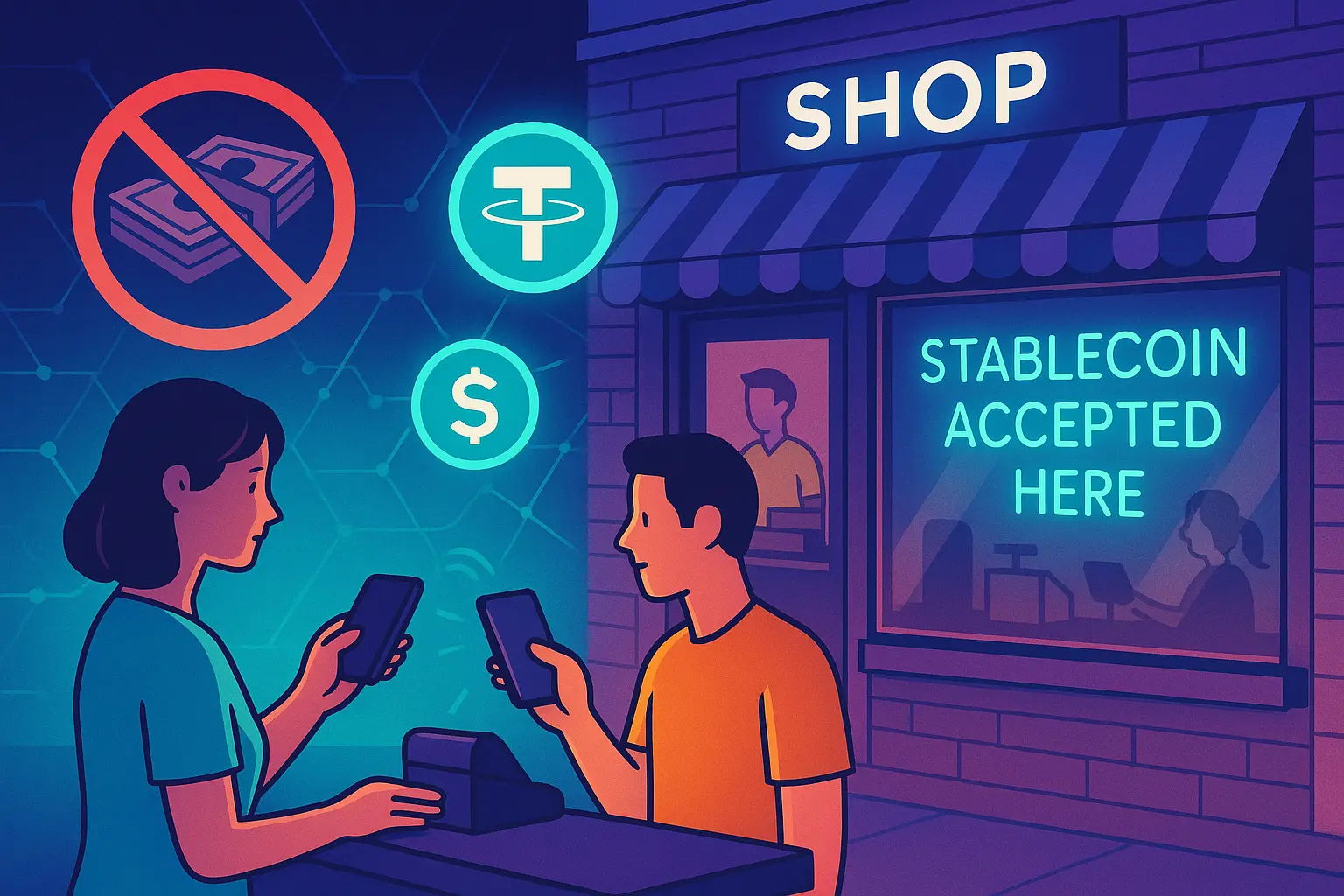
Cryptocurrency has long been seen as a disruptive force in global finance, but until recently, its adoption by local businesses has been limited. Volatility, regulatory uncertainty, and consumer hesitation have kept many merchants reliant on traditional currency systems. However, with the rise of stablecoins, the barriers that once separated local commerce from digital money are starting to break down.
The Barriers Between Crypto and Local Business
Despite its popularity among investors, cryptocurrency adoption in daily transactions has faced several obstacles:
- Price Volatility: Bitcoin or Ethereum can fluctuate by 5–10% in a single day, making them risky for small businesses with tight margins.
- Regulatory Concerns: Many countries lack clear rules for accepting crypto payments, leaving merchants uncertain about taxation and legality.
- Payment Infrastructure Gaps: Traditional point-of-sale systems are designed for fiat transactions via cash, Visa, or Mastercard—not blockchain payments.
- Consumer Trust Issues: Shoppers often hesitate to spend crypto due to uncertainty over transaction speed, fees, or refund policies.
These challenges have created a “wall” between crypto adoption and everyday business use.
Stablecoins: The Bridge to Local Adoption
Stablecoins, unlike volatile cryptocurrencies, are pegged to fiat currencies like the U.S. dollar (USDT, USDC) or euro. This stability gives them the qualities that local businesses need:
- Price Stability Merchants can accept stablecoins without fearing overnight losses due to market swings.
- Lower Transaction Costs Stablecoin transfers often cost less than credit card fees, making them attractive for small retailers.
- Faster Settlements Payments clear in minutes instead of days, improving cash flow for businesses.
- Global Reach Stablecoins allow local shops to serve international customers without dealing with complex banking or foreign exchange.
- Regulatory Alignment As governments create legal frameworks for stablecoins, merchants gain confidence in compliance and legitimacy.
Real-World Use Cases
- Retail & E-Commerce: Merchants can offer stablecoin payments at checkout, reducing dependence on banks.
- Hospitality & Tourism: Hotels and restaurants can easily serve international travelers who prefer digital currencies.
- Freelancers & Services: Local professionals can receive instant cross-border payments without heavy remittance fees.
These use cases show how stablecoins act as a gateway to mainstream crypto adoption for local businesses.
Is Stablecoin the Only Solution?
While stablecoins currently provide the most practical bridge, other solutions may evolve:
- Central Bank Digital Currencies (CBDCs): Government-issued digital currencies could merge the stability of fiat with blockchain efficiency.
- Layer 2 Scaling Solutions: Technologies like Lightning Network (Bitcoin) or rollups (Ethereum) could reduce volatility and fees, making major cryptocurrencies viable for commerce.
- Hybrid Payment Systems: Businesses may adopt systems that automatically convert volatile crypto into stablecoins or fiat in real time.
Thus, while stablecoins are today’s most effective solution, they may not be the only long-term path toward replacing traditional currency in local commerce.
Final Thoughts
Cryptocurrency has the potential to break down the barriers between digital assets and local businesses. Stablecoins stand out as the most immediate and practical tool for adoption, offering stability, efficiency, and compliance that both merchants and consumers can trust.
In the future, a combination of stablecoins, CBDCs, and advanced blockchain technologies may collectively transform how local economies connect to global finance—replacing the reliance on traditional currency systems step by step.